
For hundreds of years, grains have fashioned the muse of diets worldwide, providing not simply sustenance, however quite a lot of well being advantages. Lately, a culinary debate has sprung up round two common grains, sparking a dialog that pits ‘Rice vs Quinoa.’
This comparability has seen these humble grains weighed in opposition to one another, gauging which reigns supreme by way of well being advantages, style, and flexibility.
Rice, with its world recognition, and quinoa, typically hailed as a ‘superfood’, each have distinctive qualities value exploring.
This text goals to delve deeper into these important dietary staples, evaluating the well being advantages of rice and quinoa, analyzing their distinctive tastes, and assessing their versatility within the kitchen.
By way of this exploration, we hope to equip you with data that can assist you to make knowledgeable dietary decisions becoming your well being objectives and taste preferences.
So, let’s get began: Rice or Quinoa – which grain will take the crown?
Rice
Quinoa Well being Advantages Wealthy in important nutritional vitamins (particularly B nutritional vitamins), minerals (magnesium, phosphorus, selenium), and dietary fiber. Decrease glycemic index in brown rice. Excessive in protein (full protein supply), fiber, nutritional vitamins, and minerals. Decrease glycemic index. Incorporates health-promoting flavonoids. Style Subtly candy and impartial, permits it to meld into varied dishes. Brown rice has a deeper, nuttier taste. Nutty and earthy flavors, with a singular delicate but crunchy texture. Versatility in Cooking Used globally in varied dishes: stir-fries, risottos, sushi, and many others. Differing types appropriate for various dishes. Can be utilized equally to rice but in addition in distinctive methods on account of its texture. Nice in salads, soups, baking, and many others. Dietary Compatibility Appropriate for vegetarian and vegan diets. Some sorts (processed or sure manufacturers) will not be gluten-free. Appropriate for vegetarian, vegan, and gluten-free diets. Widespread Recipes Sushi, risotto, paella, biryani, jambalaya, and many others. Quinoa salads, quinoa-stuffed peppers, quinoa bowls, quinoa porridge, and many others. Protein Content material Decrease protein content material, incomplete amino acid profile. Larger protein content material accommodates all 9 important amino acids (full protein). Fiber Content material White rice has much less fiber, whereas brown and wild rice have extra. Larger fiber content material in comparison with white rice, akin to brown and wild rice. Ease of Cooking Typically straightforward to cook dinner, however cooking instances and water-to-rice ratios fluctuate amongst sorts. Typically straightforward to cook dinner, with a normal water-to-quinoa ratio and cooking time. Could be rinsed to scale back pure bitter coating.
Overview of Rice and Quinoa
Rice and quinoa, two grains which have turn out to be ubiquitous in kitchens all over the world, have wealthy histories and distinctive dietary profiles that set them aside.
Rice: A Staple Throughout Continents
The cultivation of rice dates again to 5000 BC in China’s Yangtze River area, the place it rapidly grew to become a significant a part of the area’s weight-reduction plan. Over the centuries, the cultivation of this versatile grain unfold all through Asia and, ultimately, throughout the globe. In the present day, rice is likely one of the most generally consumed staple meals, important in cuisines starting from Indian to Japanese, African to American, testomony to its outstanding versatility.
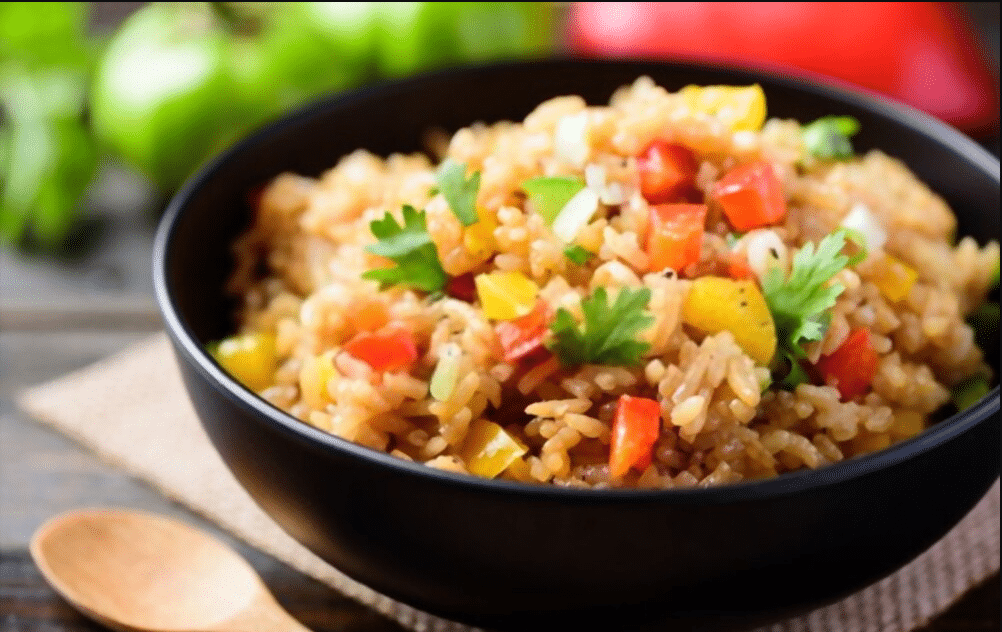
Rice is available in quite a few varieties, the commonest of that are white, brown, and wild rice. Every kind has a singular dietary profile. White rice, the most well-liked selection, is processed to take away the bran and germ, leaving solely the endosperm. Consequently, it’s decrease in fiber and a few vitamins however is enriched after processing to revive some nutritional vitamins and minerals. Brown rice, conversely, retains the nutrient-packed bran and germ, making it a complete grain. It’s increased in fiber, nutritional vitamins, and minerals than white rice. Wild rice, which is technically a grass seed however consumed as a grain, accommodates much more protein and fiber than brown rice.
Quinoa: The ‘Tremendous Grain’ of the Andes
Quinoa (pronounced KEEN-wah), though a comparatively latest addition to Western diets, has a historical past of cultivation relationship again over 5000 years within the Andean area of South America. The Incas revered it because the ‘mom grain’ and believed it to be sacred. Regardless of its historical historical past, quinoa solely began gaining world recognition within the late twentieth century when its extraordinary dietary qualities have been found by the broader world.
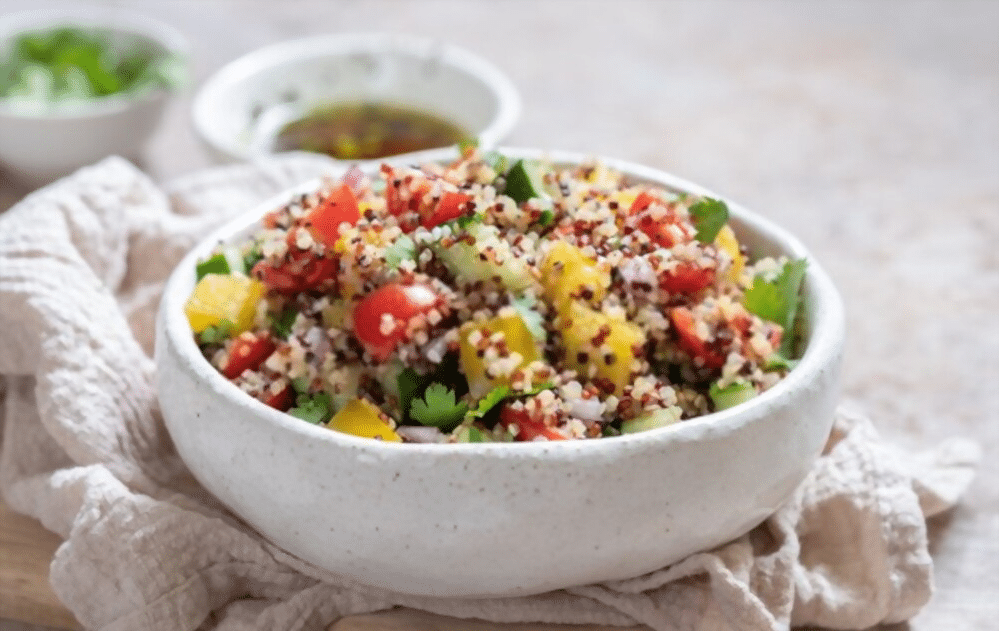
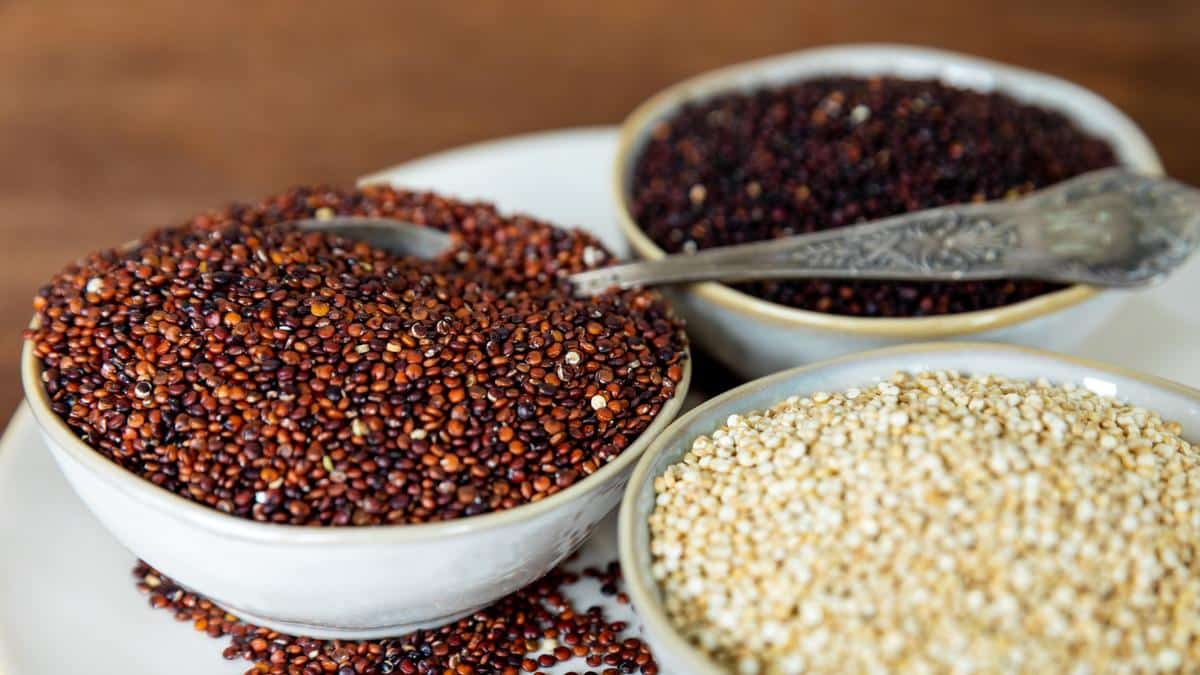
Quinoa is a pseudo-grain – it’s technically a seed however is ready and eaten like a grain. It is available in a number of colours, with the commonest varieties being white, pink, and black. In contrast to most grains, quinoa is an entire protein, containing all 9 important amino acids, which is uncommon for plant meals. It’s additionally wealthy in fiber, nutritional vitamins, and minerals, together with manganese, magnesium, and phosphorus. Plus, quinoa is gluten-free, making it a well-liked selection for these following a gluten-free weight-reduction plan.
Associated Article: Cream of Wheat Vs Oatmeal: The Variations Will Shock You!
Rice vs Quinoa: A Deep Dive into Well being
As we proceed our exploration of ‘Rice vs Quinoa’, it’s time to dive deeper into their well being advantages. Each these grains are nutrient-dense and helpful to our well being in varied methods, however they’ve distinct benefits that set them aside.
Rice: Important Nutritional vitamins and Low Glycemic Index
Rice, significantly brown and wild varieties, are wealthy in B nutritional vitamins corresponding to thiamin and niacin, which play essential roles in vitality manufacturing and neurological operate. Additionally they present important minerals like magnesium, phosphorus, and selenium. Brown rice, being a complete grain, is a superb supply of dietary fiber, which promotes digestive well being and aids in sustaining wholesome blood sugar ranges.
The glycemic index (GI) of rice varies considerably between sorts. Brown rice has a medium GI, which suggests its carbs are digested and absorbed at a reasonable fee, leading to a slower rise in blood sugar. White rice, alternatively, has a excessive GI, which means it might probably trigger a sooner rise in blood sugar. Due to this fact, for folks monitoring their blood sugar ranges, brown rice is usually a most popular selection.
Quinoa: A Full Protein Powerhouse
What units quinoa aside within the ‘Rice vs Quinoa’ debate, particularly by way of well being advantages, is its excessive protein content material and the truth that it’s a full protein. This implies quinoa accommodates all 9 important amino acids, one thing only a few plant-based meals can declare. This high-quality protein supply is especially helpful for these following vegetarian or vegan diets.
Quinoa can be filled with a mess of nutritional vitamins and minerals. It’s a superb supply of magnesium, phosphorus, manganese, and folate. Moreover, it has a excessive fiber content material, much more than brown rice, supporting digestive well being, and offering a way of fullness, which might be helpful for weight administration.
The GI of quinoa is comparatively low, implying that it causes a slower and extra regular rise in blood sugar ranges. This makes quinoa a sensible choice for folks with diabetes or these making an attempt to handle their blood sugar ranges.
Different Well being Advantages: Rice and Quinoa
Each rice and quinoa provide further well being advantages. Rice, particularly brown and wild varieties, has been linked to coronary heart well being on account of its fiber content material and presence of compounds like lignans. Equally, the excessive fiber content material in quinoa helps coronary heart well being by serving to to scale back levels of cholesterol.
Quinoa has additionally been acknowledged for its antioxidant properties. It accommodates quercetin and kaempferol, two flavonoids identified for his or her health-promoting results, together with anti-inflammatory and anti-viral properties.
Well being Verdict: Rice vs Quinoa
When analyzing the well being advantages of rice and quinoa, each grains have distinct benefits. Rice, significantly in its entire grain type, is a precious a part of a balanced weight-reduction plan, providing important nutritional vitamins and minerals. Quinoa, with its full protein profile and excessive fiber content material, is a dietary powerhouse, offering a superb nutrient-to-calorie ratio.
Within the ‘Rice vs Quinoa’ face-off, your selection may rely in your particular dietary wants and well being objectives. For these requiring a decrease glycemic index, brown rice or quinoa may very well be a sensible choice. For vegetarians or vegans searching for a plant-based full protein, quinoa is perhaps the winner. As all the time, selection is the spice of life, and together with a mixture of grains in your weight-reduction plan will guarantee a broader spectrum of dietary advantages.
Rice vs Quinoa: Exploring Style
Now that we’ve explored the well being advantages of rice and quinoa, it’s time to show to an element that’s equally essential when selecting a dietary staple: style. In spite of everything, irrespective of how nutritious a meals could also be, if it doesn’t attraction to our palates, it’s unlikely to discover a place in our kitchens.
Rice: A Common Canvas
Rice, owing to its comparatively impartial style and texture, typically acts as a canvas for different flavors. Its subtly candy taste is flexible, making it the proper backdrop for varied components from completely different cuisines. White rice, with its delicate, fluffy texture, pairs superbly with stews, curries, stir-fries, or any dish with plenty of sauce.
Brown rice, whereas having an identical underlying sweetness to white rice, carries a deeper, nuttier taste, and a firmer texture. Its strong style holds up properly in opposition to hearty, strong meals like roasted greens, grilled meats, and strongly-flavored sauces.
Wild rice, with its earthy, smoky taste and chewy texture, provides complexity to dishes. It’s glorious in stuffings, grain salads, and hearty soups, the place its distinctive style can shine.
Quinoa: A Distinctive Taste Profile
Quinoa brings a distinct taste profile to the desk. It has a barely nutty style and a singular texture – delicate with a delicate crunch. It’s this delicate steadiness of flavors and textures that make quinoa an fascinating ingredient in quite a lot of dishes.
White quinoa, the commonest selection, has the mildest taste and is sort of versatile, becoming properly into a variety of dishes. Purple and black quinoa have bolder, earthier tastes and maintain their form higher after cooking, making them glorious for salads and aspect dishes the place a firmer texture is fascinating.
Culinary Versatility: Rice vs Quinoa
Rice is a staple in varied cuisines worldwide. In Asian cuisines, it’s typically the star, as seen in sushi, biryani, or fried rice. In Latin and South American dishes, it’s generally served alongside beans or utilized in dishes like arroz con pollo. Mediterranean cuisines use rice in dishes like risotto or paella, the place its capacity to soak up flavors actually shines.
Quinoa’s versatility in style permits it to work superbly in a myriad of dishes. It may be used as a alternative for rice in most recipes, providing a distinct taste and texture profile. Its protein content material makes it a superb addition to vegetarian and vegan dishes, whereas its gluten-free standing permits it to function in gluten-free diets. Quinoa salads, quinoa-stuffed peppers, or quinoa bowls are common, but it surely will also be utilized in extra sudden methods – like in breakfast porridges or baking.
Private Desire: The Final Decider
In the end, the style showdown within the ‘Rice vs Quinoa’ debate comes down to private choice. Some folks want the delicate sweetness and delicate texture of rice, appreciating its capacity to meld seamlessly into varied dishes. Others are keen on the nutty, earthy flavors of quinoa and its distinctive texture. The great thing about each grains is that their flavors are versatile sufficient to enhance all kinds of dishes, making them each glorious staples in any pantry.
Exploring the style profiles of rice and quinoa additional solidifies the place of those grains as dietary powerhouses. Not solely do they supply an array of well being advantages, however their style and texture versatility additionally make them a delight within the culinary world.
Rice vs Quinoa: Inspecting Versatility
When wanting on the ‘Rice vs Quinoa’ debate, it’s important to look at their versatility in cooking and the way they match into varied dietary regimes. Each grains shine on this respect, every providing a variety of makes use of within the kitchen and being appropriate with many dietary wants.
Rice: A World Staple
Rice is remarkably versatile. It may be served as a aspect dish, integrated into salads, used as a stuffing, and even made into desserts like rice pudding. From sushi in Japan, paella in Spain, biryani in India, to jambalaya in the USA, rice’s world culinary presence is simple.
White rice, with its gentle taste and delicate texture, is good for dishes the place it might probably take in the flavors of different components, corresponding to risottos or stir-fries. Brown rice’s nuttier taste and chewy texture make it a strong addition to salads and grain bowls.
For these following vegan or vegetarian diets, rice, particularly brown or wild varieties, supplies precious vitamins like fiber, nutritional vitamins, and minerals. Nevertheless, rice isn’t appropriate for these on gluten-free diets, as some varieties, particularly these processed, can have traces of gluten.
Quinoa: The ‘Tremendous Grain’ with Tremendous Versatility
Quinoa’s versatility makes it a precious addition to many recipes. It may be utilized in a lot the identical means as rice – as a aspect dish, in salads, and even as a breakfast porridge. Nevertheless, quinoa’s distinctive texture and protein content material additionally make it an excellent addition to soups, stews, and veggie burgers.
Quinoa’s nutty taste enhances dishes like stuffed peppers or quinoa pilaf, and its capacity to take care of its form makes it a superb base for grain salads. Quinoa flakes may even be utilized in baking or as a gluten-free breadcrumb substitute.
One in all quinoa’s standout options by way of versatility is that it’s a plant-based full protein, making it a implausible meals selection for vegetarians and vegans. Plus, it’s naturally gluten-free, which suggests it matches properly into gluten-free diets, an element not shared by all kinds of rice.
Versatility Verdict: Rice vs Quinoa
Within the ‘Rice vs Quinoa’ versatility face-off, it’s a good match. Rice, with its ubiquitous world presence, is an adaptable staple in myriad dishes. However, quinoa’s excessive protein content material and distinctive texture open the door for artistic culinary makes use of, and its gluten-free standing provides added versatility.
Selecting between rice and quinoa typically comes all the way down to the particular dish, dietary wants, and private preferences. As each grains are versatile, tasty, and filled with well being advantages, incorporating a mixture of each into your weight-reduction plan can present a well-rounded spectrum of vitamins and flavors. Whether or not you lean in direction of rice or quinoa, each grains undoubtedly have a well-earned place in kitchens all over the world.
The Verdict: Which Grain Reigns Supreme?
In our exploration of ‘Rice vs Quinoa’, we’ve dissected their well being advantages, delved into their distinctive tastes, and examined their culinary versatility. Each grains have confirmed themselves dietary powerhouses with distinct benefits.
Rice, a world staple, is wealthy in important nutritional vitamins and minerals, has a impartial style that enhances many dishes, and shines in its versatility in cuisines worldwide. In distinction, quinoa, the ‘tremendous grain’, boasts full protein, a singular nutty taste, and distinctive versatility, significantly for these on gluten-free or vegetarian diets.
So, which grain reigns supreme? The reply is just not simple, because it hinges in your private dietary wants, preferences, and culinary makes use of. Want a gluten-free or excessive protein possibility? Quinoa is perhaps your decide. In search of a flexible grain that seamlessly integrates into a mess of dishes? Rice may very well be your selection.
Ultimately, each rice and quinoa are worthy contenders, every holding their very own on this planet of grains. Together with each in your weight-reduction plan permits for a richer array of vitamins and flavors. The true winner within the ‘Rice vs Quinoa’ debate may simply be selection.
Conclusion
As we draw our exploration of ‘Rice vs Quinoa’ to a detailed, it’s clear that each these grains have a lot to supply. They every boast a spread of well being advantages, with rice offering important nutritional vitamins and minerals, and quinoa providing a plant-based full protein. When it comes to style, the subtly candy rice and the nuttier quinoa provide distinctive taste profiles that may complement a wide selection of dishes. Lastly, their versatility within the culinary world is noteworthy, with each grains capable of star in quite a few world cuisines and adapt to numerous dietary wants.
Whereas every grain has its strengths, the final word selection between rice and quinoa will come down to private choice, dietary wants, and the particular dish you’re making ready. So why not take pleasure in each? Embrace the flexibility and well being advantages of those two outstanding grains. Strive swapping out your regular grain for its counterpart at times, or experiment with new recipes that function each. The ‘Rice vs Quinoa’ debate doesn’t should be an either-or scenario; incorporating each into your weight-reduction plan can present a various array of vitamins and flavors to your meals.
FAQs
- What are the primary well being advantages of rice?
Rice is an efficient supply of carbohydrates, which offer vitality. It’s also an excellent supply of B nutritional vitamins, that are essential for vitality metabolism and mind operate.
- What are the primary well being advantages of quinoa?
Quinoa is an efficient supply of protein, fiber, and iron. It’s also an excellent supply of nutritional vitamins and minerals, together with magnesium, phosphorus, and zinc.
- What’s the distinction between rice and quinoa?
Rice is a cereal grain, whereas quinoa is a pseudocereal. Because of this quinoa is just not technically a grain, however it’s typically utilized in the identical means as grains.
- Which grain is healthier for you?
Each rice and quinoa are wholesome grains that may be a part of a balanced weight-reduction plan. Nevertheless, quinoa has a slight edge by way of well being advantages. It’s a higher supply of protein and fiber, and it has a decrease glycemic index than rice.
- What are some recipes that use rice or quinoa?
There are numerous completely different recipes that use rice or quinoa. Some common recipes embrace rice pilaf, quinoa salad, and quinoa burgers.
Along with the above, listed here are another elements to think about when selecting between rice and quinoa:
- Value: Rice is mostly inexpensive than quinoa.
- Availability: Rice is extra broadly accessible than quinoa.
- Style: Rice has a light, impartial taste, whereas quinoa has a barely nutty taste.
- Texture: Rice has a delicate, fluffy texture, whereas quinoa has a chewier texture.
In the end, one of the best ways to determine which grain is best for you is to attempt each and see which one you like.